
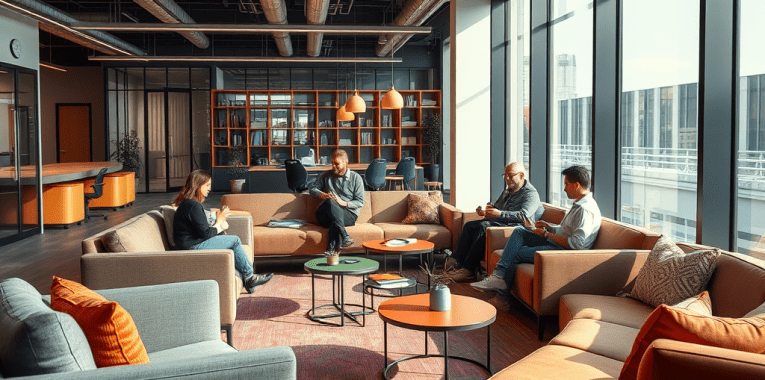
In contemporary workplaces, the concept of a traditional office is rapidly changing. As organizations embrace flexibility, creativity, and collaboration, the physical environment must evolve to support these new dynamics. One of the key elements transforming modern office design is breakout office furniture — a category that prioritizes comfort, adaptability, and informal interaction.
What Is Breakout Office Furniture?
Breakout office furniture refers to furnishings designed for informal, multi-purpose areas within the workplace. These spaces serve as transitional zones between formal workstations and recreational areas, allowing employees to relax, collaborate, or brainstorm freely. Unlike standard desks and cubicles, breakout furniture encourages spontaneous discussions, creativity, and mental rejuvenation.
Such spaces are often found in open-plan offices, lounges, or near cafeterias, and they typically include items like sofas, modular seating, coffee tables, and acoustic pods. Their purpose is not only aesthetic but also functional — to improve employee well-being and stimulate interaction across teams.
Why Breakout Spaces Matter
Workplace studies have shown that employees perform better in environments that balance productivity with comfort. Breakout spaces cater to this need by providing a change of scenery within the office. They act as an antidote to the monotony of prolonged desk work and offer a more human-centered experience.
Beyond relaxation, these areas serve as informal meeting points where ideas flow naturally. Teams often find it easier to solve problems or generate innovative concepts in a less structured setting. Moreover, these environments help reduce stress, enhance collaboration, and contribute to a more positive workplace culture.
Key Features of Effective Breakout Furniture
To create an inspiring breakout area, furniture selection is crucial. The best designs combine functionality, style, and flexibility. Common elements include:
- Ergonomic comfort: Chairs and sofas that support natural posture and promote relaxation.
- Flexibility: Lightweight, movable pieces that can be rearranged to accommodate different group sizes or activities.
- Durability: Materials that withstand frequent use while maintaining visual appeal.
- Aesthetic harmony: Colors and textures that complement the overall office design and reinforce brand identity.
- Acoustic comfort: Sound-absorbing elements that maintain privacy and minimize distractions in open spaces.
Well-designed breakout furniture also reflects the company’s values and culture. For example, creative agencies may opt for bold, vibrant pieces that inspire energy, while law firms might prefer understated, elegant designs that evoke professionalism and calm.
Designing an Ideal Breakout Zone
When planning a breakout area, companies should consider both the practical and emotional needs of employees. A successful design blends aesthetics with usability and encourages multiple forms of interaction.
Some key considerations include:
- The balance between open and private areas.
- Natural lighting and ventilation to enhance mood.
- Integration of biophilic elements like plants for stress reduction.
- Accessibility of power outlets and charging stations for mobile work.
The right design transforms a simple seating zone into a multifunctional workspace that supports brainstorming sessions, coffee breaks, and even quiet focus time. For additional insights into how furniture design shapes collaboration, visit https://gb.kompass.com/p/posts-reviews/ua105689/modern-breakout-office-furniture-revolutionizing-workplace-collaboration/5987d0f1-6a97-4791-8938-950deaa126aa/.
The Impact on Collaboration and Productivity
Breakout areas can significantly influence how employees connect and communicate. By moving away from the rigidity of traditional desks, they foster openness and equality among team members. This relaxed setup encourages natural conversation, which often leads to quicker problem-solving and idea sharing.
Moreover, such environments help balance individual and group needs. Employees can recharge in solitude or engage in informal discussions without disrupting others. This flexibility aligns with the growing trend of hybrid work, where adaptability is essential.
Future Trends in Breakout Furniture Design
As work culture continues to evolve, breakout furniture will follow suit. Designers are already experimenting with modular systems, sustainable materials, and smart technology integration. Future breakout zones may include features like wireless charging surfaces, built-in lighting controls, and soundproof pods for video calls.
Sustainability will also play a greater role, with companies seeking eco-friendly solutions made from recycled or responsibly sourced materials. Additionally, the focus on inclusivity will lead to designs accommodating different physical needs and preferences.
Conclusion
Breakout office furniture is more than a design trend — it represents a shift toward workplaces that prioritize human connection, comfort, and creativity. These spaces support not just collaboration, but also the emotional well-being of employees, helping organizations foster innovation and retain talent.
As businesses continue to adapt to new ways of working, investing in thoughtful breakout spaces becomes a strategic choice. It’s an investment not only in furniture, but in people — the true foundation of any successful organization.
 TableDesk