
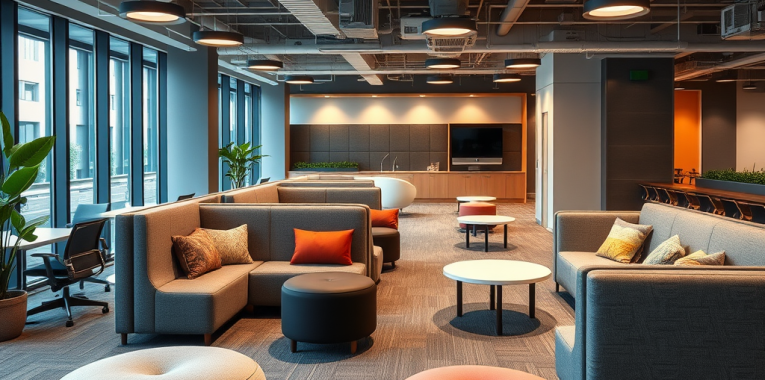
As the modern workplace continues to evolve, so does the furniture that defines its layout and culture. Among the most transformative elements of this shift is breakout office furniture—designated for casual interaction, relaxation, and impromptu meetings. These zones bridge the gap between structured workstations and purely social areas, offering flexibility and a boost to overall workplace satisfaction.
What Are Breakout Spaces and Why Are They Important?
Breakout spaces are informal environments within an office where employees can escape from their desks to collaborate, reflect, or simply recharge. Unlike formal meeting rooms, these spaces are more fluid in function and typically furnished with comfortable, modular seating, low tables, and soft finishes.
The importance of these areas lies in their ability to promote human interaction and accommodate different work styles. As the boundaries between work and leisure blur, breakout zones become vital in supporting well-being, creativity, and productivity.
Core Features of Effective Breakout Office Furniture
To create a successful breakout area, it’s essential to invest in the right furniture. The characteristics of well-designed breakout furniture include:
- Mobility and flexibility – Items like poufs, nesting tables, and lightweight chairs can be rearranged quickly.
- Comfort – Plush seating and ergonomic shapes encourage prolonged use without strain.
- Aesthetic harmony – Designs that match the office’s visual identity contribute to a cohesive look.
- Sound absorption – Acoustic panels and soft furnishings reduce ambient noise in open-plan layouts.
- Functionality – Features like USB ports or tablet arms enhance usability without disrupting flow.
Benefits for Employers and Employees Alike
The presence of breakout furniture can positively influence both company culture and employee performance. Among the key advantages:
- Boosted morale – Employees feel valued when their workplace supports comfort and diversity in working styles.
- Increased collaboration – Teams are more likely to engage in spontaneous conversations and brainstorming sessions.
- Reduced stress – Breakout spaces offer a mental pause, which contributes to lower burnout rates.
- Better space utilization – Offices become more dynamic and adaptable to various tasks and team sizes.
- Enhanced recruitment and retention – A well-designed office can be a strong factor in attracting and keeping talent.
Design Strategies for Modern Breakout Areas
To make the most of breakout furniture, design strategies must align with how employees use the space. Thoughtful placement and variation in layout are crucial.
- Zoning: Separate casual lounges from focus nooks using partitions or distinct design elements.
- Natural light: Position breakout zones near windows to enhance mood and energy.
- Greenery: Plants improve air quality and provide a calming aesthetic.
- Technology access: Ensure Wi-Fi, charging stations, and even AV equipment are available if needed.
- Inclusivity: Use furniture that accommodates various body types and accessibility needs.
Integration with Broader Office Design Trends
Breakout furniture doesn’t exist in isolation—it reflects wider trends in office design. As hybrid work models become more prevalent, office layouts are being reimagined to support flexibility and movement throughout the day. Breakout areas allow employees to shift between tasks without having to leave the building.
Furthermore, as organizations aim to cultivate purpose-driven cultures, these informal zones provide the perfect backdrop for casual mentoring, relationship-building, and idea incubation.
Adapting to Changing Work Cultures
Today’s professionals seek more than just a paycheck—they crave meaning, balance, and a supportive environment. Office design plays a pivotal role in meeting these expectations. The article https://www.architecturelist.com/modern-breakout-office-furniture-transforming-workspaces-for-enhanced-collaboration-and-productivity/ underscores how breakout furniture contributes to reshaping corporate culture through intentional design.
In such settings, creativity isn’t forced—it’s invited. Employees are more likely to feel psychologically safe, which in turn fuels collaboration and innovation.
Conclusion
Breakout office furniture is no longer a luxury—it’s a necessity in creating agile, human-centered workplaces. By investing in well-designed, functional breakout zones, companies can foster a culture that prioritizes well-being, teamwork, and adaptability. These spaces are the embodiment of a modern workplace: flexible, inclusive, and built around people, not just productivity.
As organizations continue to embrace the future of work, breakout areas will undoubtedly remain central to thoughtful office design.
 TableDesk