
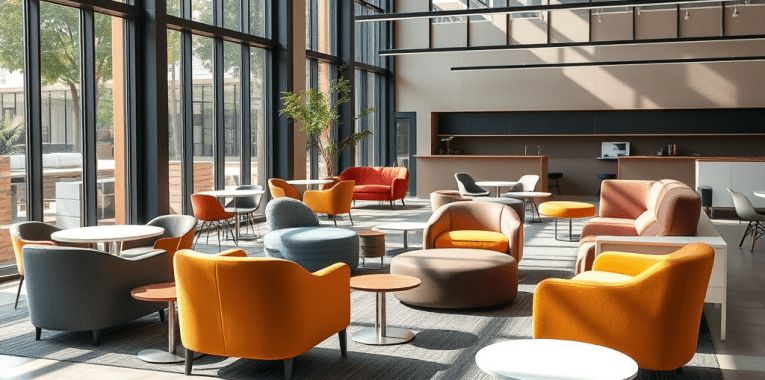
In the rapidly evolving landscape of office design, the concept of breakout spaces has become a focal point for organizations striving to create dynamic, human-centric environments. Breakout office furniture plays a pivotal role in supporting this shift, offering versatile solutions that go beyond traditional desks and meeting rooms. As companies embrace hybrid models and flexible schedules, the need for informal areas that encourage creativity, rest, and collaboration is stronger than ever.
What Is Breakout Office Furniture?
Breakout office furniture refers to a category of office furnishings specifically designed for informal, non-assigned areas in the workplace. These pieces are intended to support short-term tasks, quick meetings, spontaneous collaboration, or even moments of relaxation during a hectic workday. Typically located in shared zones like lounges, open-plan corners, or near kitchen areas, breakout furniture is designed to be inviting, adaptable, and conducive to human interaction.
Unlike standard task-oriented furniture, breakout pieces often emphasize comfort, flexibility, and design aesthetics. Think modular seating, upholstered pods, soft armchairs, low tables, standing-height counters, and even elements like acoustic booths or privacy screens. These components help define a separate atmosphere from the main work areas, allowing employees to shift gears both mentally and physically.
The Psychological and Practical Benefits
The value of breakout furniture extends far beyond its visual appeal. Numerous studies in workplace psychology and interior design indicate that having access to well-designed breakout areas can positively influence employee performance and well-being. Here’s how:
- Encourages movement and posture variation, reducing sedentary fatigue
- Offers a change of scenery, refreshing mental focus
- Promotes informal communication and team bonding
- Reduces stress by providing a retreat from high-pressure work zones
- Enhances creativity through relaxed and visually stimulating environments
Moreover, breakout spaces serve as flexible zones that can accommodate evolving business needs. Whether it’s an impromptu brainstorming session, a quick debrief after a client call, or a casual one-on-one, these areas provide the spatial fluidity that modern offices demand.
Designing with Purpose: Key Elements of Effective Breakout Areas
Creating an impactful breakout zone is not simply about scattering a few bean bags or lounge chairs. It requires intentional design thinking to ensure the space aligns with company culture, employee needs, and the overall office layout. The most effective breakout areas typically include:
- A mix of seating options (sofas, stools, poufs, high chairs)
- Surfaces for laptops, notebooks, and drinks
- Thoughtful lighting to encourage comfort without inducing sleepiness
- Elements of biophilia, such as plants or natural materials
- Noise management tools like rugs, partitions, or acoustic panels
- Easy access to power outlets and Wi-Fi
By combining these features, organizations can create inviting microenvironments that support both individual downtime and collaborative interaction.
Breakout Furniture in Hybrid and Remote-First Environments
As hybrid and remote-first models become standard, the role of the physical office is evolving from a full-time work environment to a collaborative hub. In this context, breakout furniture is increasingly essential. Rather than focusing on desks and cubicles, many businesses are redesigning their offices to support in-person meetings, team alignment, and cultural touchpoints. Breakout areas provide the informal, hospitality-inspired ambiance that helps draw employees back into the workspace without the rigidity of old office norms.
Adaptable, lightweight, and modular pieces of breakout furniture allow businesses to reconfigure spaces as needed — an asset in times of rapid change or growth. This also supports sustainability, as furniture that can serve multiple purposes and move across different zones tends to have a longer lifespan.
The Future of Breakout Design
As workplace design continues to evolve, breakout furniture is likely to take on even greater significance. Designers are now experimenting with elements that integrate technology, such as seating with built-in charging ports or booths equipped with sound systems for video conferencing. The line between work and rest, private and public, continues to blur — and breakout zones are at the center of this intersection.
Incorporating breakout office furniture into workplace strategy is not just a design choice; it’s a cultural one. Companies that recognize the value of flexibility, employee autonomy, and mental well-being will continue to invest in these human-centric environments.
For more insight into how innovative breakout design is shaping productivity and performance in modern offices, visit: https://www.bloommagazine.co.uk/business/modern-breakout-office-furniture-enhancing-productivity-with-innovative-design/
Conclusion
Breakout office furniture is no longer a luxury reserved for tech giants or creative agencies. It has become a staple of future-focused workspace design — a tool that empowers employees, nurtures collaboration, and reflects the changing nature of work. By thoughtfully integrating breakout areas into office layouts, organizations can foster environments that are not only functional, but truly inspiring.
 TableDesk