
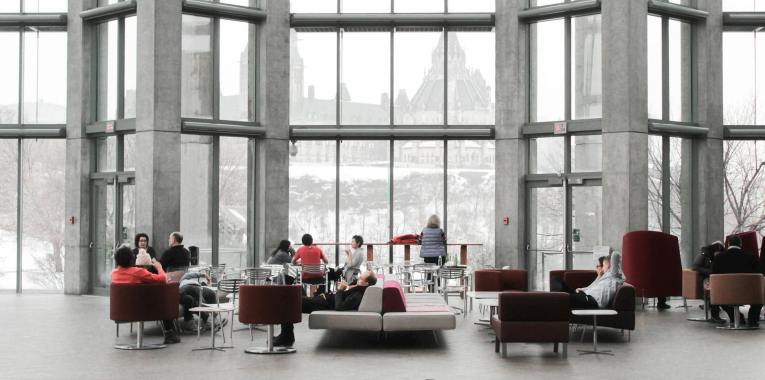
In today’s fast-paced work culture, breakout spaces have become essential for fostering creativity, collaboration, and mental rejuvenation. With more emphasis on employee well-being, breakout office furniture now plays a pivotal role in creating flexible, adaptable spaces that cater to various work modes. Let’s dive into the key elements that make breakout furniture a cornerstone of modern office design and its impact on workplace dynamics.
Why Breakout Spaces Matter in Modern Offices
Breakout spaces provide employees with a dedicated area to take a break from their desks, encouraging them to recharge. These areas are not just for casual lounging; they offer spaces where employees can brainstorm, collaborate informally, or work in a less structured environment. The furniture used in these spaces should be versatile, comfortable, and conducive to both relaxation and productivity, aligning with the shift towards more flexible work settings.
Core Elements of Effective Breakout Office Furniture
Designing breakout areas is not a one-size-fits-all approach. Effective breakout furniture typically incorporates several essential elements:
- Comfort and Ergonomics: Sofas, armchairs, and modular seating arrangements make employees feel comfortable and at ease.
- Flexibility: Modular designs that can be easily rearranged allow spaces to adapt to different activities, from team meetings to individual work.
- Functionality: Adding tables, storage units, and even movable whiteboards enhances the usability of the space, making it suitable for both relaxation and focused work.
- Acoustic Solutions: Privacy and noise reduction are important in breakout areas to prevent disruptions to adjacent workspaces. Furniture with high backs or acoustic panels can help create quieter zones.
With these core features, breakout office furniture can support various work styles, making it easier for employees to choose settings that suit their needs.
Types of Breakout Office Furniture to Consider
Breakout furniture comes in many forms, each designed to support different kinds of activities and interactions within an office environment.
- Modular Sofas and Seating Pods: Modular sofas can be rearranged easily, making them ideal for dynamic office settings. Seating pods provide additional privacy and are excellent for solo work or small meetings.
- Standing Tables and Stools: Standing tables encourage movement and can be used for quick, casual meetings. Paired with high stools, they offer an alternative to traditional sitting arrangements.
- Collaborative Tables with Integrated Power: For teams working on digital projects, tables with built-in power outlets make it easy to charge devices and stay connected.
- Relaxation Chairs and Bean Bags: These casual seating options are great for unwinding or recharging between tasks, providing a more laid-back vibe.
Benefits of Breakout Office Furniture in Workplace Culture
Incorporating breakout furniture goes beyond aesthetic appeal—it has a profound impact on workplace culture. Here are some of the key benefits:
- Increased Collaboration: Breakout spaces encourage spontaneous interactions and discussions that may not occur in a formal setting.
- Improved Employee Well-Being: Providing comfortable, stress-free zones for breaks promotes mental and physical health.
- Enhanced Creativity: A relaxed environment can often stimulate creativity, as employees feel more at ease to brainstorm new ideas.
- Higher Productivity Levels: Allowing employees to choose their work environment based on their tasks can lead to better focus and efficiency.
Integrating breakout furniture into office spaces is a practical way to meet the demands of a modern, flexible work environment while enhancing overall productivity.
Check: https://washingtontimes.co.uk/modern-breakout-furniture/
 TableDesk